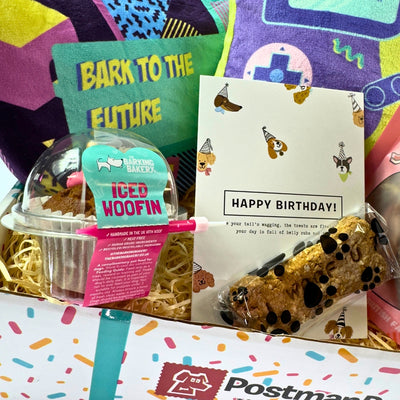
Every Christmas, dog owners find themselves wondering: does my dog actually enjoy this? They seem excited about the wrapping paper. They're definitely interested in the food smells. But they also spent an hour hiding under the bed when the relatives arrived.
Here's what we actually know about how dogs experience Christmas.
What Dogs Notice First: Smell
Christmas, from a dog's perspective, is primarily a smell event. The tree (a genuinely interesting new object with a complex smell profile), the cooking (turkey, stuffing, roasting vegetables — all extremely interesting), the new objects (gifts, wrapping paper, bags from outside), and the extra people (each bringing their own scent signature).
This is largely positive for most dogs. New smells are stimulating and interesting. A Christmas-scented house is, from a dog's nose, an extraordinarily rich environment.
What Dogs Find Stressful: Unpredictability
The parts of Christmas that stress dogs are not the ones we'd expect. It's rarely the noise itself, or even the extra people — it's the unpredictability. Routines change. Mealtimes shift. The person who normally takes them for a walk at 8am is suddenly sleeping in. The house that normally has two humans suddenly has six, and some of them are loud and unpredictable children.
Dogs are exceptionally sensitive to changes in routine because routine is how they make sense of the world. When routine breaks down, a dog's stress response activates — even if nothing objectively bad is happening.
Do Dogs Enjoy Opening Presents?
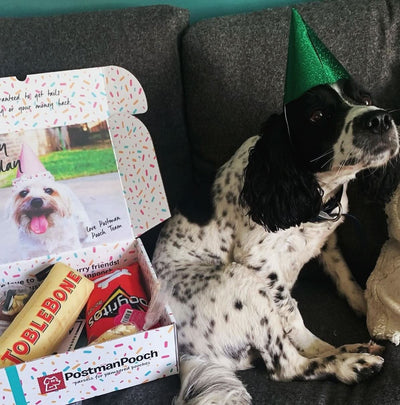
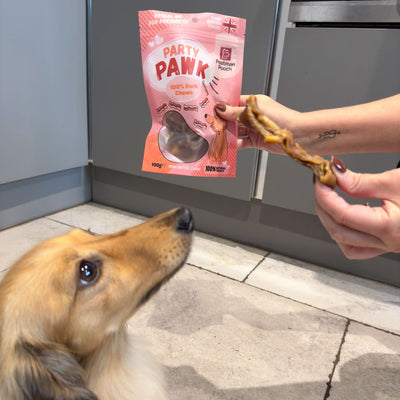
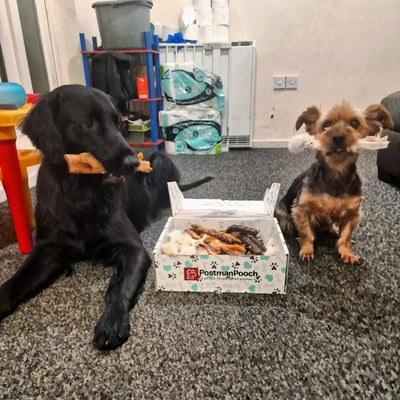
Most dogs enjoy the process of getting into wrapping paper — the tearing, the smell of what's inside, the engagement with the human who's clearly excited about something. Whether they understand the concept of a gift is debatable. Whether they enjoy the process of discovering what's inside a package is not — most dogs find it genuinely engaging.
The key is what's inside. A natural treat or a toy they're genuinely interested in produces a real positive response. A novelty item they have no interest in produces polite sniffing and then confusion about why everyone is watching them.
How to Make Christmas Better for Your Dog
- Keep core routines as consistent as possible — same walk times, same mealtimes, same bedtime
- Give them a defined safe space — a calming bed in a quiet corner they can always access
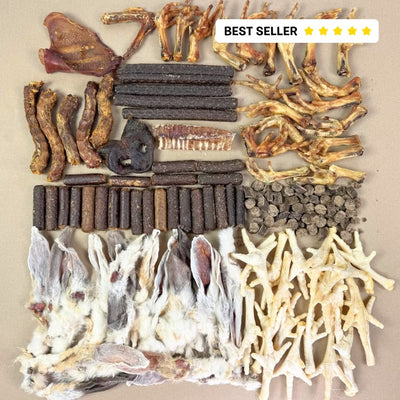
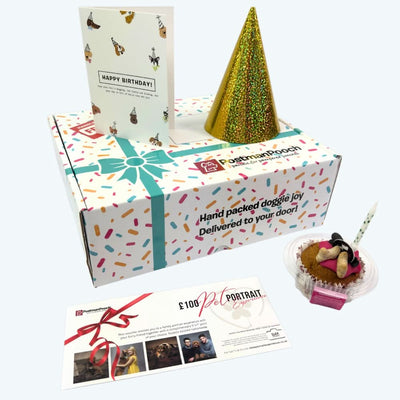
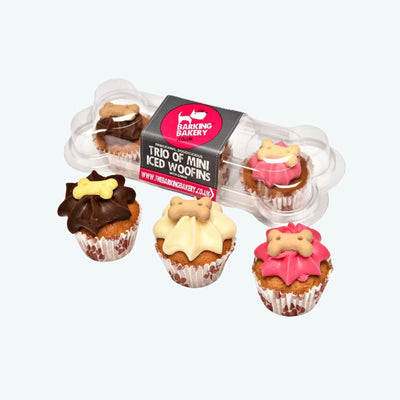
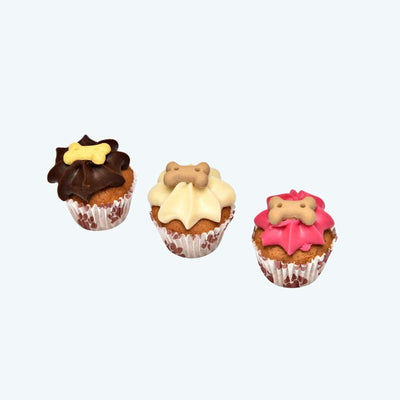
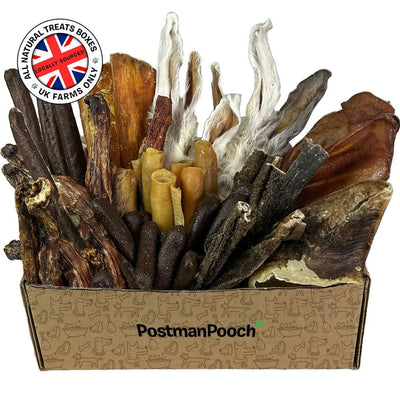
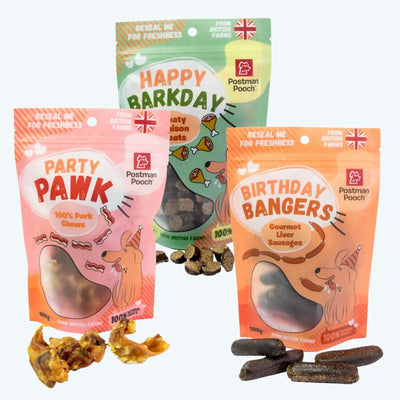
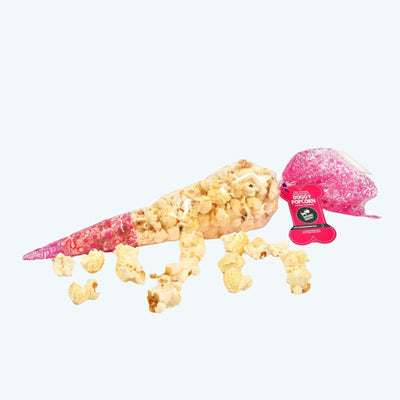
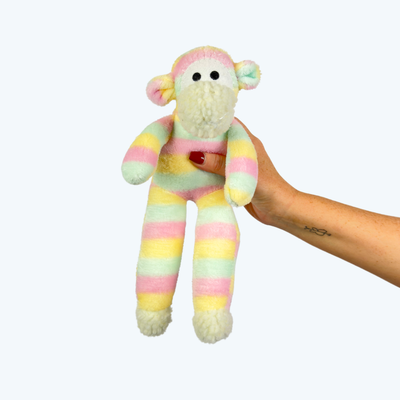
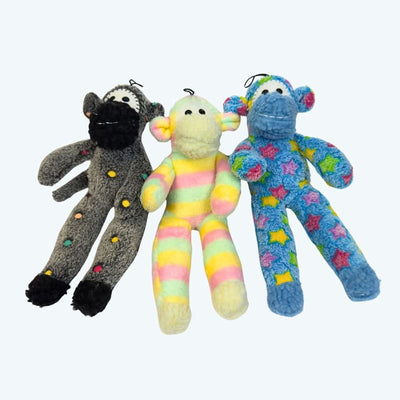
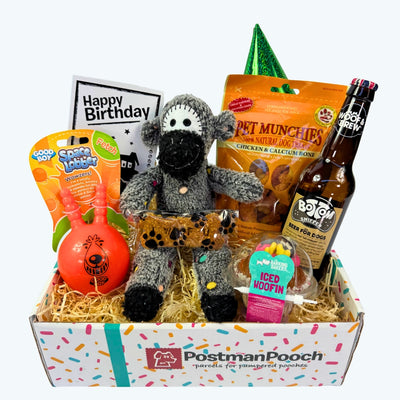
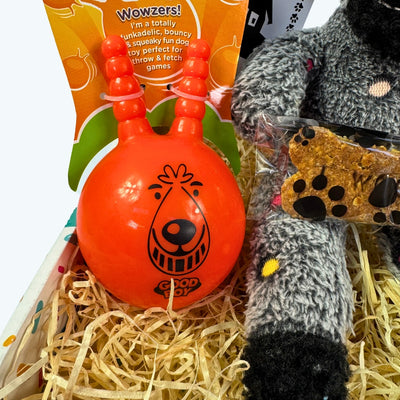
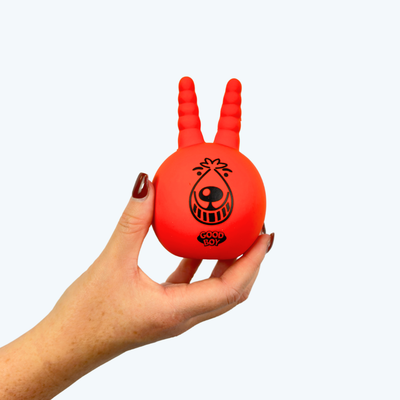
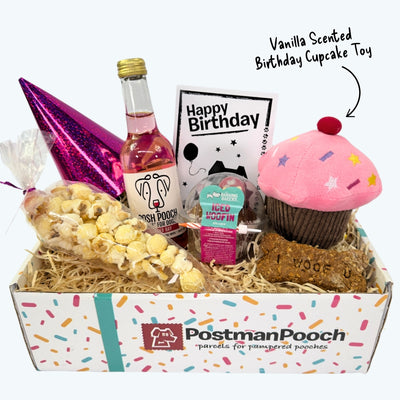
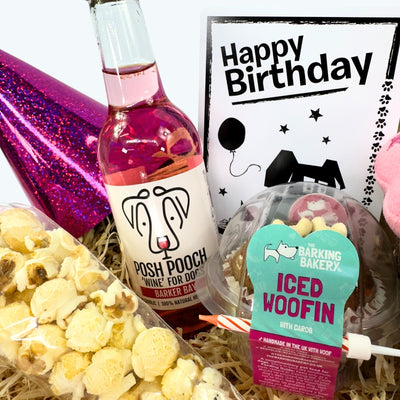
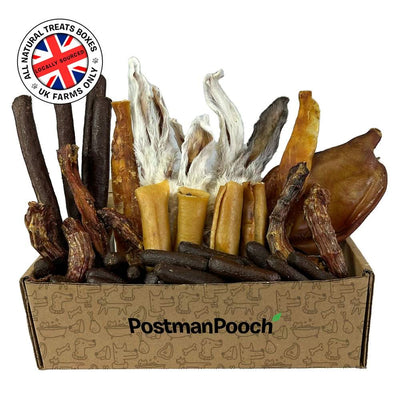
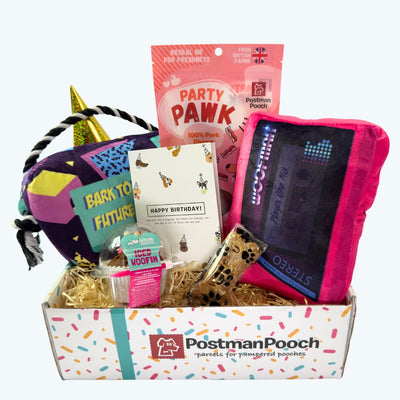
- Choose presents they'll actually engage with — natural Christmas treats and appropriate toys
- Don't force interactions with guests — let the dog approach people in their own time
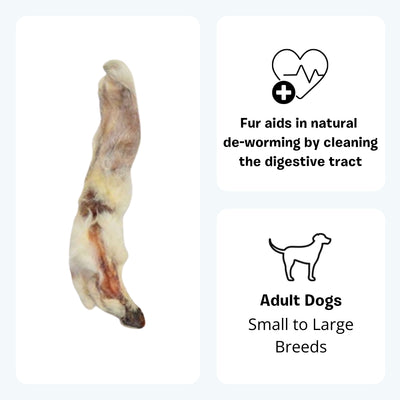
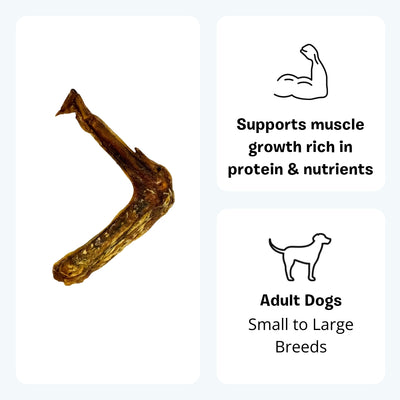
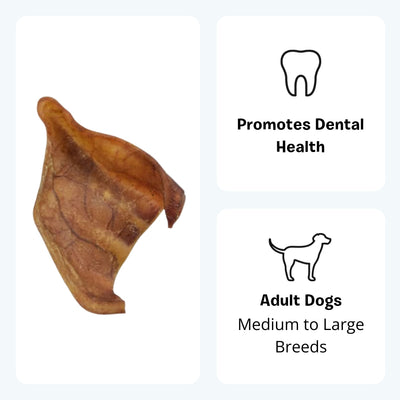
- Give them a long-lasting chew during the busiest periods — chewing is genuinely calming for most dogs
The Bottom Line
Most dogs do enjoy Christmas — not because they understand what it is, but because the people they love are around more, the smells are extraordinary, and there are usually good things to eat. The dogs who struggle are the ones whose anxiety isn't managed and whose need for routine isn't respected. With a bit of thought, you can make Christmas genuinely good for your dog.
👉 Make it a good Christmas for your dog — browse our gifts here