Christmas with a dog is one of the best things. It's also one of the most logistically complex periods of dog ownership. More people, different routines, unusual food around, fireworks, travel in some cases, and a sustained period of elevated household activity that can last weeks.
Here's everything you need to get through it well.
The Week Before Christmas
Set up the safe space now. If your dog is anxious or if you're expecting a lot of guests, now is the time to establish a calming bed or defined quiet area. A calming anti-anxiety dog bed placed in a consistently quiet spot before the chaos starts gives your dog time to claim it as theirs before they need it as a refuge.
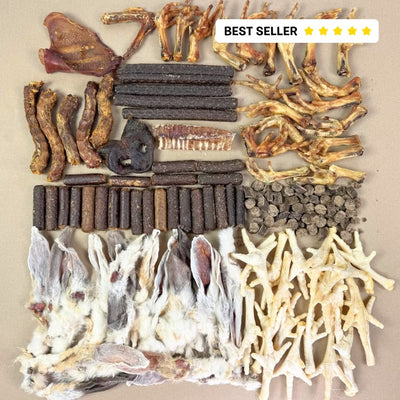
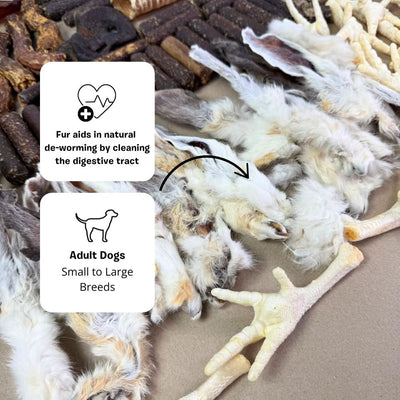
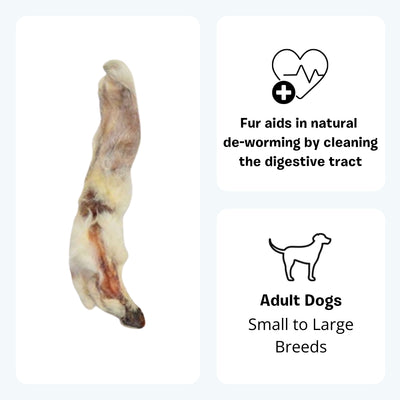
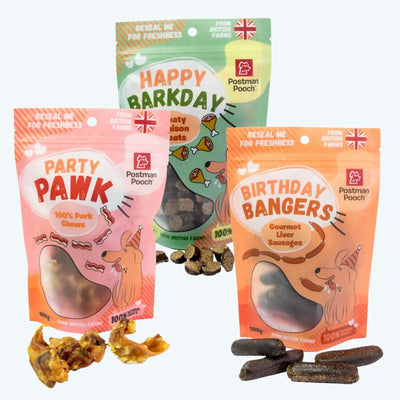
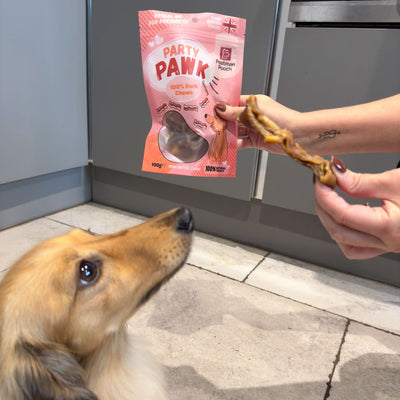
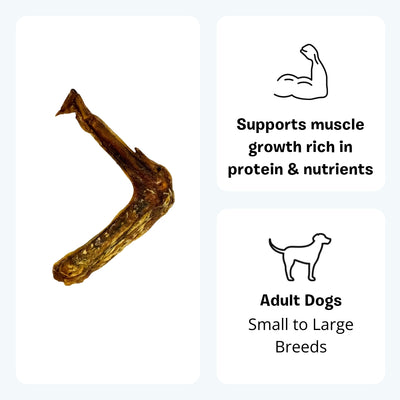
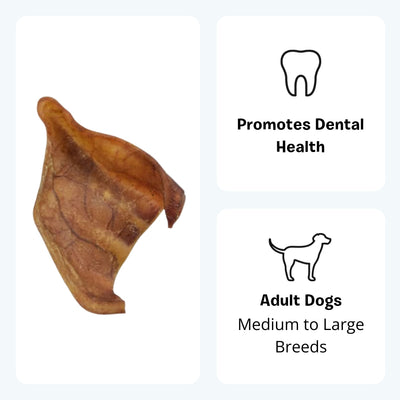
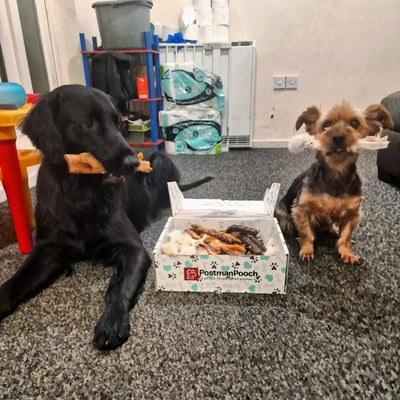
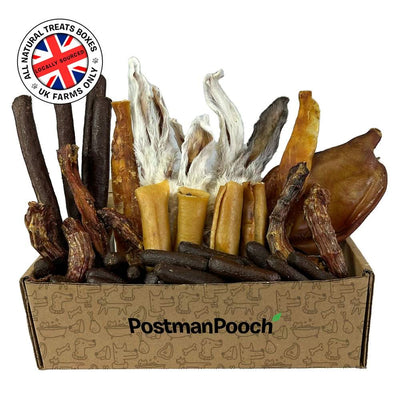
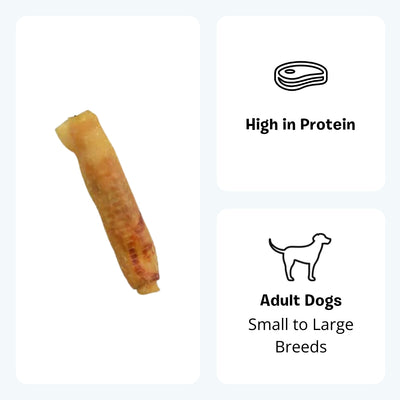
Stock up on natural chews. Long-lasting natural chews are your most useful tool over Christmas — they give the dog something to do during meals, keep them calm during busy periods, and are a genuinely good treat. Stock up from our natural dog treats range before the festive period rather than scrambling when you run out.
Brief incoming guests. A message before people arrive covers the key points: let the dog approach first, no feeding from the table, respect the dog's bed as their space, don't make a big fuss of arrivals and departures.
Christmas Eve
Keep it normal. Walk at the usual time. Feed at the usual time. The temptation to stay up later affects dog routines more than people realise. A dog who doesn't get their normal sleep on Christmas Eve is going into the most stimulating day of the year under-rested.
Christmas Day
Walk first. Always walk first. A dog who has had their exercise is calmer, more regulated, and better able to cope with everything that follows. Even a shorter walk than normal is better than skipping it.
During the meal, give your dog their long-lasting chew in their own space. This keeps them settled without requiring anyone to manage them at the table.
Watch for stress signals throughout the day: yawning, lip-licking, hiding, excessive panting, reluctance to engage. A dog showing these signs needs quiet time, not more interaction.
The Twelve Days After
The week between Christmas and New Year is often more disruptive than Christmas Day itself — people coming and going, irregular schedules, and then New Year's Eve with its fireworks. Maintain as much routine as possible. Keep the safe space accessible. Make sure your dog has adequate sleep time even when the household schedule is unusual.
New Year's Eve: everything from our fireworks guide applies. Close curtains, put on background noise, have a long-lasting chew ready, keep the calming bed accessible.
January: Recovery
Dogs, like their owners, often need a January reset. Back to normal walk times, normal mealtimes, normal sleep routine. Most dogs settle back quickly once the household returns to its usual rhythm.
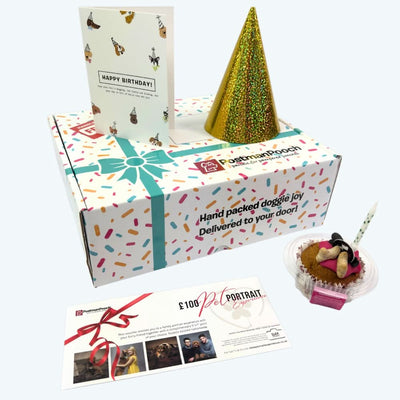
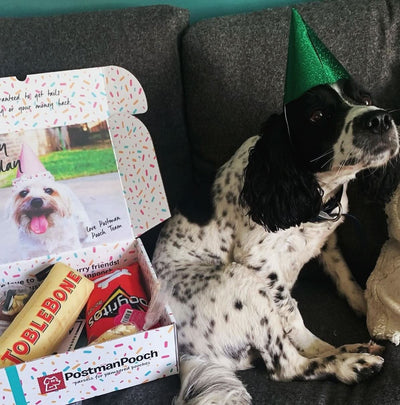
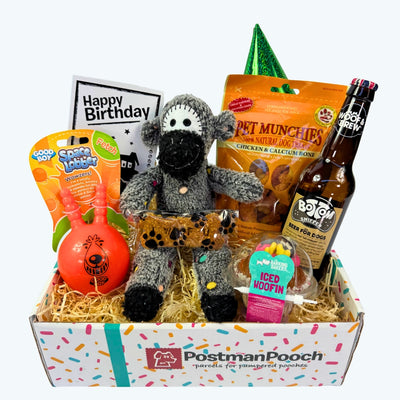
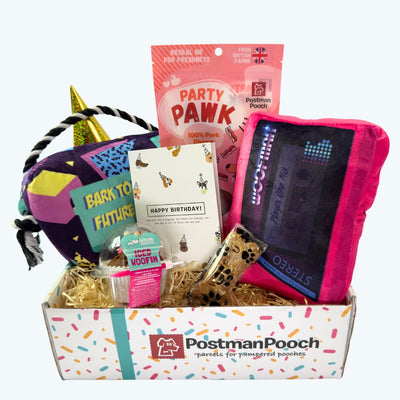
A subscription box arriving in January is a lovely post-Christmas treat — a reminder that good things keep coming after the festivities. Our subscription plans are worth looking at if you haven't already.
👉 Everything you need for your dog's Christmas — browse here