Separation anxiety is one of the most frequently discussed issues in dog ownership — and also one of the most misunderstood. It gets used as a catch-all for any dog who isn't happy when left alone, when in reality it describes a specific and genuine anxiety disorder.
What Separation Anxiety Actually Is
Separation anxiety is a stress response triggered specifically by the absence of an attachment figure — usually the primary owner. It's not naughtiness. It's not spite. It's a genuine anxiety response with measurable physiological components: elevated cortisol, increased heart rate, difficulty regulating emotion. The barking, the destruction, the toileting indoors — these are symptoms of that distress, not causes of it.
Mild, Moderate, and Severe — They Need Different Approaches
Mild separation anxiety: Some restlessness in the first ten to fifteen minutes after the owner leaves, then settling. Minor vocalisation. No destruction. This level responds well to environmental management — a good safe space, a long-lasting chew at departure, consistent routine.
Moderate separation anxiety: Sustained distress for thirty minutes or more. Significant vocalisation. Some destructive behaviour, typically near exits. This level benefits from professional support alongside environmental management.
Severe separation anxiety: Cannot be left at all without significant distress. Self-injuring behaviour. Unable to eat or drink when alone. This level requires professional support — both from a clinical animal behaviourist and, likely, a vet.
What Actually Helps
A consistent, dedicated safe space. Our calming anti-anxiety dog bed provides an enclosed, den-like sleeping environment that many dogs with separation anxiety respond to very well. Combine it with a worn item of your clothing and a long-lasting chew left at departure for best effect.
Departure and arrival routines. Keep departures and arrivals low-key. Long, emotional goodbyes raise the dog's arousal before you leave. A calm, matter-of-fact departure — treat, leave, done — is genuinely better.
Gradual alone time training. Systematically building tolerance to being alone — starting with very short periods and gradually extending — can make a significant difference over time.
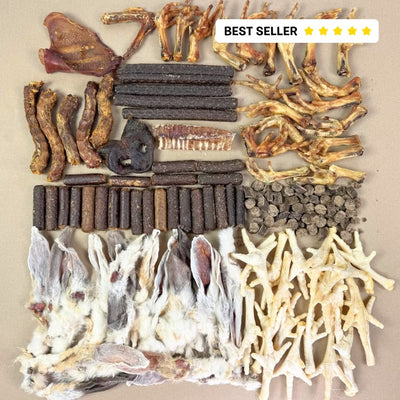
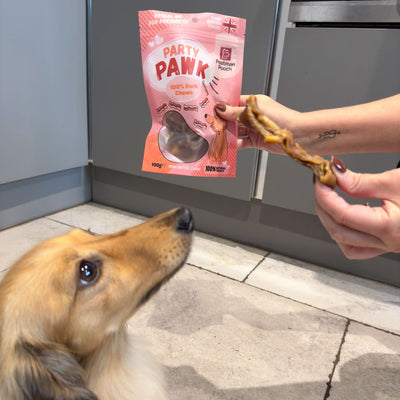
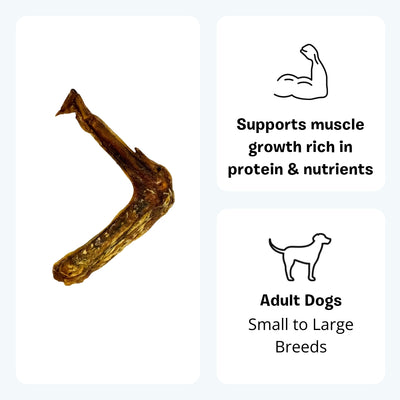
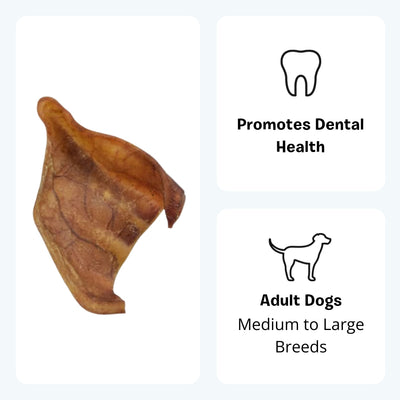
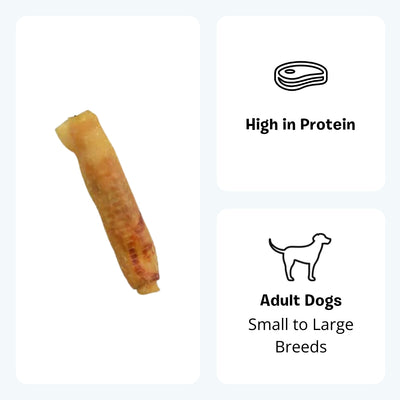
Natural chews at departure. Giving your dog something engaging to focus on as you leave creates a positive association with your departure. Our natural dog treats range includes several long-lasting chew options ideal for this.
Professional support. For moderate to severe cases, a qualified clinical animal behaviourist is genuinely worth the cost. Your vet is also worth speaking to — they can rule out contributing medical factors and discuss pharmacological support where appropriate.
A Realistic Timeline
Separation anxiety doesn't resolve quickly. Even with good management and professional support, meaningful improvement typically takes weeks to months. Progress is rarely linear. But most dogs with separation anxiety do improve with the right support. It's worth the patience and the effort.
👉 See our calming anti-anxiety dog bed here
👉 Browse our natural treats range for departure chew options