If you’ve ever stood staring at a wall of dog treats wondering which ones are actually good for your dog, you’re not alone. I’ve done it myself more times than I can count.
Natural Dog Treats. Grain-free. Raw. Air-dried. Single protein. Hypoallergenic.
At some point, buying dog treats started to feel more complicated than buying food for ourselves.
Over the years, I’ve spoken to countless dog owners who all say the same thing: I just want to give my dog something good, without harming them or getting it wrong. And that’s exactly why I wanted to write this.
This isn’t about telling you one type of treat is “right” and the others are “wrong”. It’s about understanding the differences, so you can make a choice that actually suits your dog.
Why Dog Treat Labels Feel So Confusing
Part of the problem is that dog food marketing has become very good at using words that sound reassuring without always being clear.
“Natural” sounds good, but what does it really mean?
“Grain-free” sounds healthier, but is it always?
“Raw” sounds closer to nature, but is it practical for everyone?
The truth is, these labels describe different approaches, not different levels of care. And understanding those approaches makes everything feel a lot simpler.
What Are Natural Dog Treats?
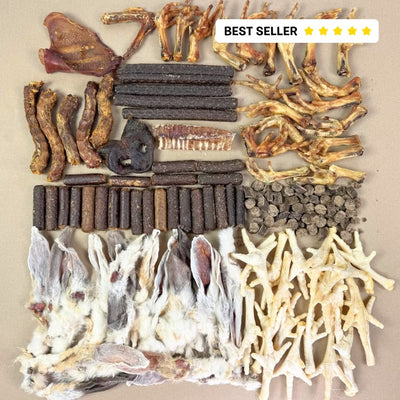
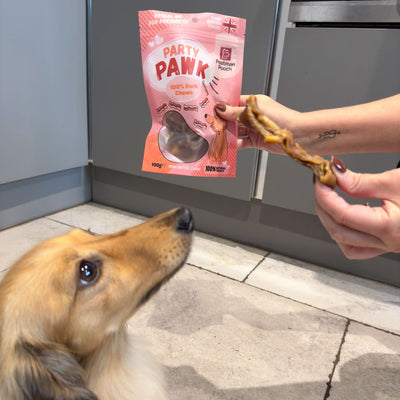
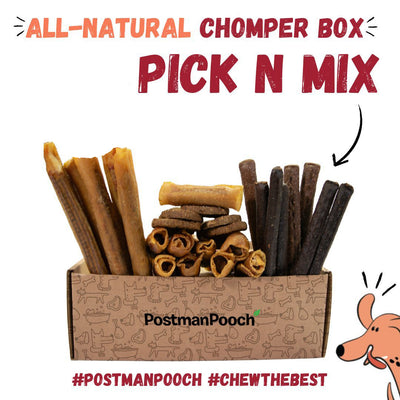
When I talk about natural dog treats, I’m talking about treats made from recognisable ingredients, with minimal processing and no unnecessary extras.
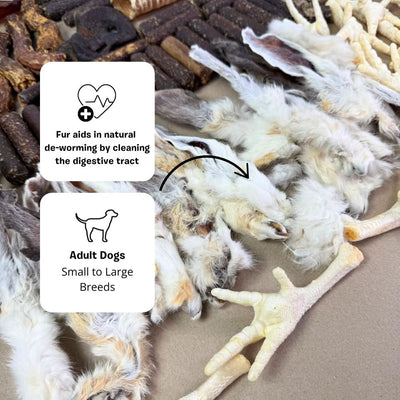
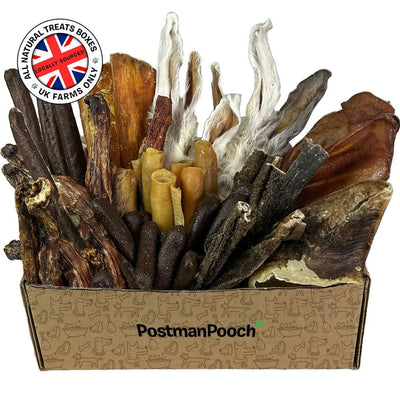
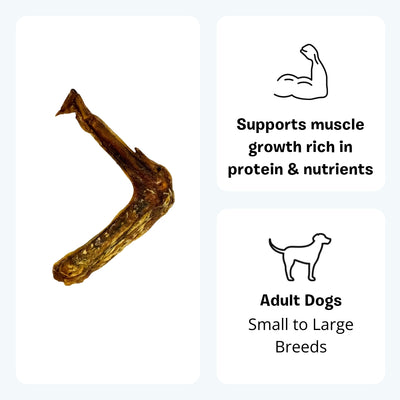
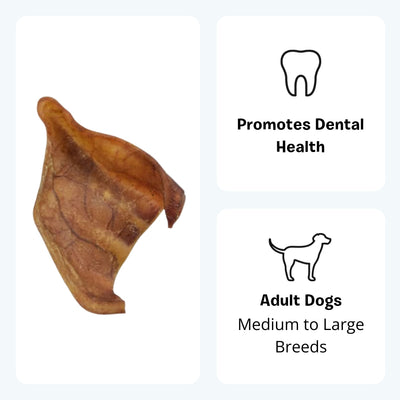
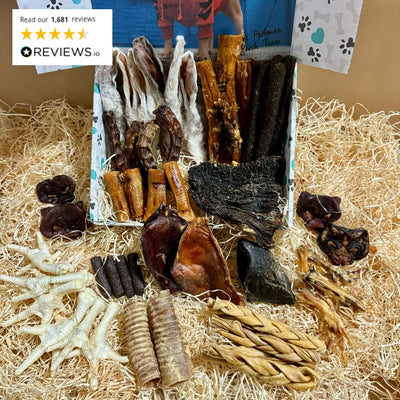
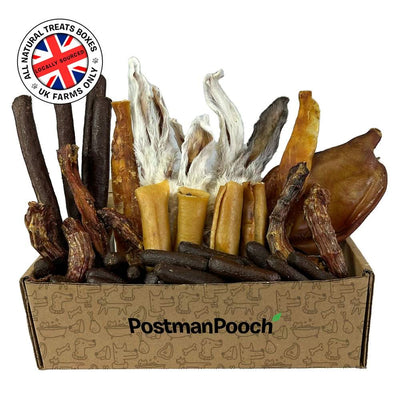
Think dried meats, fish, animal parts like ears or tendons, and simple chews that don’t rely on artificial flavourings, colours, or preservatives.
Natural dog treats tend to be:
- Made from whole animal ingredients
- Free from artificial additives
- Air-dried, baked, or gently processed
- Easy to understand when you read the ingredient list
One of the reasons I personally lean towards natural treats is transparency. If I can look at a treat and tell what it is, I feel more confident giving it to my dog.
That doesn’t mean every natural treat is perfect for every dog, but it does mean you’re starting from a cleaner baseline.
The Benefits of Natural Dog Treats
Natural treats often appeal to owners who want something simple and honest.
They’re great for:
- Dogs with sensitive stomachs
- Owners who want fewer ingredients
- Dogs who love strong smells and textures
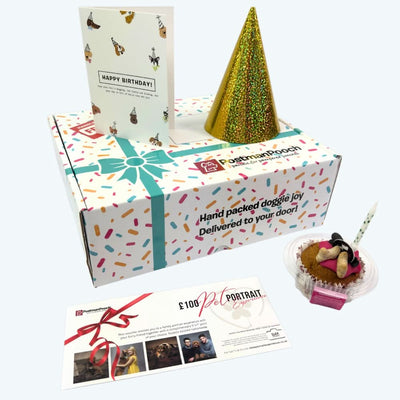
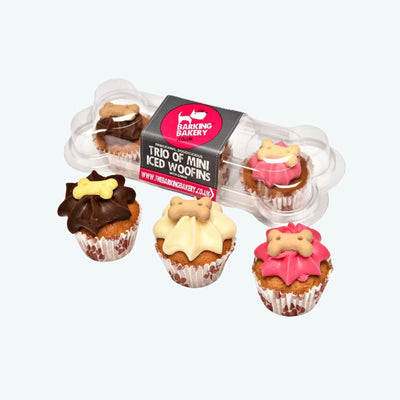
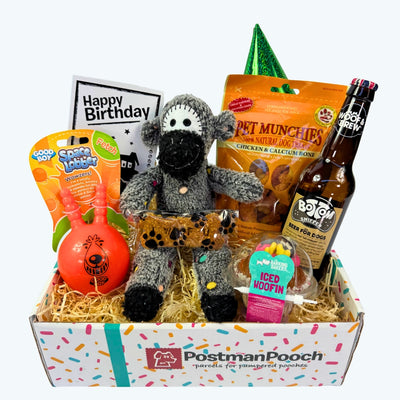
- Gifting, because they feel thoughtful and premium
They also tend to double up as enrichment. Chewing, gnawing, and working through a natural treat keeps dogs mentally occupied, which is just as important as the nutritional side.
What “Grain-Free” Actually Means
Grain-free dog treats are often misunderstood.
Grain-free doesn’t mean carb-free. It simply means the treat doesn’t contain grains like wheat, barley, or maize. Instead, grains are often replaced with ingredients like potato, sweet potato, peas, or legumes.
Grain-free treats originally became popular for dogs with grain sensitivities or allergies. For those dogs, avoiding grains can make a real difference.
But here’s the important bit: grains aren’t automatically bad.
Many dogs digest grains perfectly well. Grain-free is a dietary choice, not a universal upgrade.
When Grain-Free Treats Make Sense
Grain-free treats can be useful if:
- Your dog has a diagnosed grain intolerance
- You’ve noticed digestive issues linked to grain-based foods
- You’re already feeding a grain-free diet and want consistency
Where things get tricky is when grain-free is chosen purely because it sounds healthier, without considering what replaces the grain.
A grain-free treat full of fillers and additives isn’t automatically better than a natural treat that happens to include a small amount of grain.
Raw Dog Treats Explained Simply
Raw dog treats usually come from the same philosophy as raw feeding. The idea is to feed dogs in a way that’s closer to what their ancestors might have eaten.
Raw treats can include:
- Raw meat chunks
- Bones
- Organs
- Freeze-dried raw products
Some owners swear by raw treats and see fantastic results in their dogs’ coats, teeth, and energy levels. Others find them impractical or unsuitable.
Both experiences are valid.
The Pros and Cons of Raw Treats
Raw treats can offer:
- Excellent nutritional value
- Strong appeal for dogs
- Natural dental benefits
- Minimal processing
But they also come with considerations:
- Storage and hygiene
- Suitability for households with children
- Travel and convenience
- Cost and availability
For some people, raw treats fit perfectly into daily life. For others, they’re more of an occasional option rather than an everyday choice.
The Biggest Difference Between All Three
This is the part most people miss.
Natural, grain-free, and raw treats aren’t competing categories. They’re overlapping ones.
A treat can be:
- Natural and grain-free
- Natural and raw
- Grain-free but not natural
- Raw but not convenient
That’s why there isn’t one “best” option.
The best treat is the one your dog tolerates well, enjoys, and fits into your lifestyle.
How I Personally Choose Dog Treats
When I’m choosing treats, I don’t start with labels. I start with the dog.
I think about:
- Their size
- Their chewing style
- Their stomach
- Their age
- Their energy levels
Then I look at ingredients. Then practicality. Then how often the treat will be given.
Most of the time, I lean towards natural dog treats because they strike the best balance between health, simplicity, and ease. But that doesn’t mean I never use grain-free or raw options.
It means I use them intentionally.
Treats Are Part of a Bigger Picture
One thing I always remind people is this: treats are only part of a dog’s overall diet.
No single treat type will make or break your dog’s health. What matters is balance, moderation, and paying attention to how your dog responds.
A dog who thrives on natural treats might struggle with raw. A dog who does brilliantly on raw might not need grain-free at all.
Listening to your dog beats following trends every time.
Why This Matters More Than Ever
Dog owners care more than ever about what they’re feeding their pets. And that’s a good thing.
But with that care comes confusion.
Understanding the difference between natural, grain-free, and raw dog treats helps take the pressure off. It turns treat buying back into something enjoyable rather than stressful.
And at the end of the day, treats should be about joy. About enrichment. About reward.
Not anxiety.
Final Thoughts
If there’s one takeaway from all of this, it’s that there’s no single right answer.
Natural dog treats offer simplicity and transparency.
Grain-free treats can support specific dietary needs.
Raw treats suit dogs and owners who can commit to them properly.
All three have a place.
The best choice is the one that suits your dog, your routine, and your peace of mind.
And if your dog is happy, healthy, and wagging their tail when the treat bag comes out, you’re probably doing just fine.