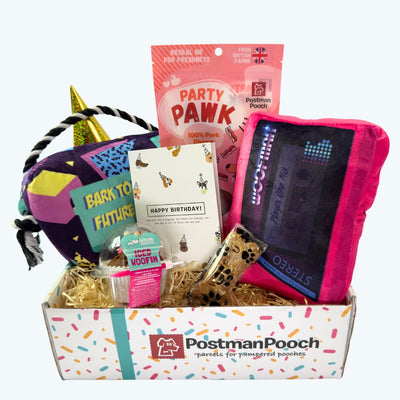
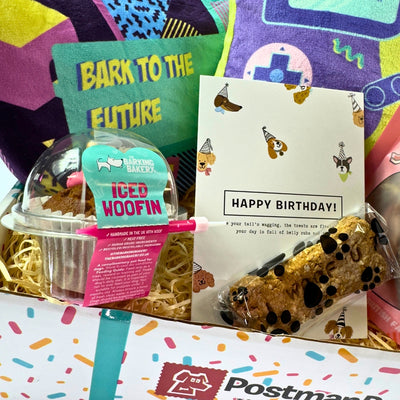
If there’s one thing I’ve noticed over the years, it’s that most dog owners genuinely want to do the right thing.
Nobody walks into a shop thinking, “I’ll grab the worst option.” We just pick what looks appealing, what’s affordable, or what our dog seems to enjoy.
But when it comes to treats, there’s a real difference between natural dog treats and the more processed, artificial alternatives you’ll often see stacked high on supermarket shelves.
And once you understand that difference, it becomes much easier to choose.
What I Mean by “Natural Dog Treats”
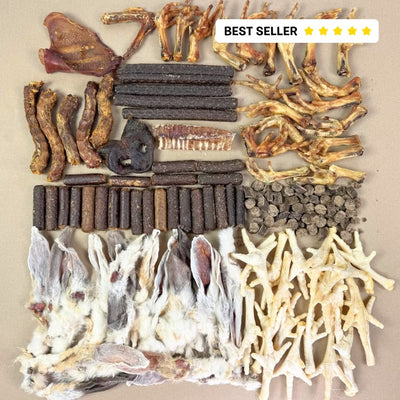
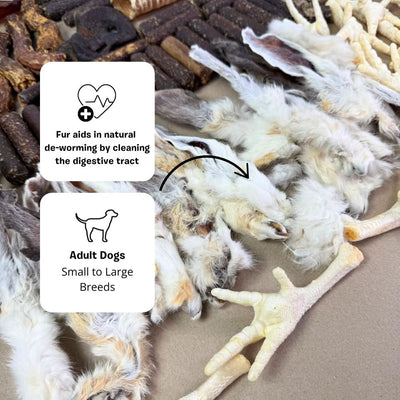
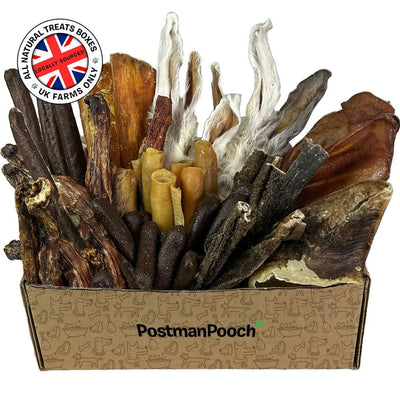
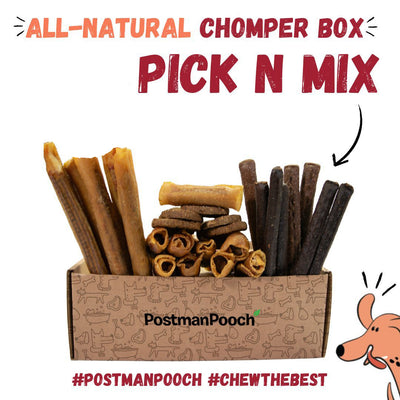
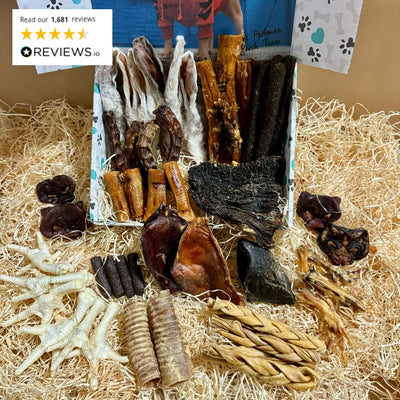
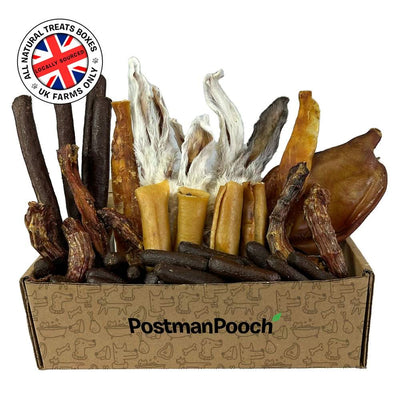
When I say natural dog treats, I mean treats made from real, recognisable ingredients.
- Dried meat.
- Fish skins.
- Tendons.
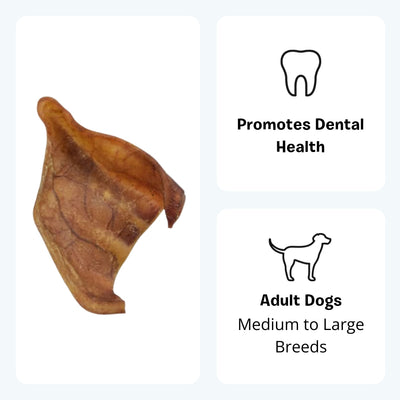
- Ears.
- Simple vegetable chews.
They’re usually air-dried or gently processed to preserve them, but they aren’t reshaped, dyed, artificially flavoured, or packed with fillers.
You can look at them and know exactly what they are.
That transparency is a big deal.
What Falls Into the “Artificial” Category?
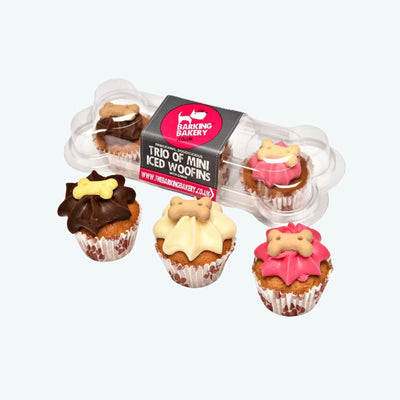
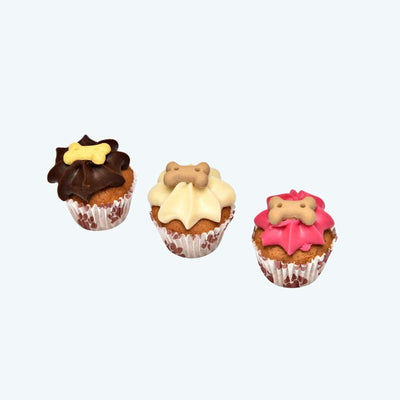
Artificial or highly processed treats are usually manufactured products.
They might contain:
- Artificial flavourings
- Colourings
- Preservatives
- Fillers
- Reformed meat derivatives
- Added sugars or sweeteners
They’re often shaped into bones, sticks, or fun characters. They look consistent, neat, and sometimes more “appealing” to us as humans.
But the ingredient list can tell a very different story.
The Ingredient Difference
This is where the gap really shows.
Natural dog treats are often single-ingredient or very close to it. If it says beef tendon, it’s beef tendon. If it says dried fish, that’s exactly what it is.
Artificial treats tend to have long ingredient lists. Multiple additives. Things included to enhance colour, shelf life, or flavour rather than nutrition.
That doesn’t automatically make them toxic or dangerous. But it does mean they’re further removed from what a dog would naturally eat.
And that matters.
Digestibility: What Happens After They Eat It?
One of the biggest practical differences is what happens once your dog swallows the treat.
Natural treats generally break down more easily because they’re closer to whole foods. They’re essentially preserved protein sources.
Highly processed treats can be harder on digestion, especially for dogs with sensitive stomachs. Additives and fillers don’t always sit well, particularly when fed regularly.
If you’ve ever dealt with unexplained loose stools, itching, or tummy upset, treats are often overlooked as the cause.
Nutritional Value: Treat or Empty Calories?
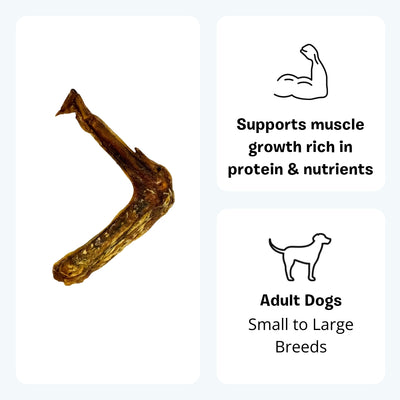
Natural dog treats tend to carry some genuine nutritional benefit.
They often provide:
- Real protein
- Natural fats
- Collagen
- Omega-3 (in fish-based treats)
- Minerals from bone and connective tissue
Artificial treats are often lower in actual nutritional value. Many are designed purely for taste and texture rather than health support.
Again, it’s about balance. An occasional processed treat isn’t the end of the world. But if treats are part of your dog’s routine, quality adds up over time.
Allergies and Sensitivities
If your dog has allergies, natural treats make life simpler.
Single-protein options mean you know exactly what you’re feeding. There are no hidden flavourings or colourings complicating things.
With artificial treats, reactions can be harder to trace because there are more potential triggers in the ingredient list.
Simplicity makes problem-solving easier.
Safety Considerations
Chewing behaviour varies massively from dog to dog. Some inhale treats. Some chew patiently.
Natural treats tend to soften gradually and behave predictably. You can choose textures that suit your dog’s size and chewing style.
Highly processed chews can sometimes splinter, become sticky, or break into awkward pieces depending on their composition.
No treat is completely risk-free, but understanding how it behaves matters.
Environmental Impact
This isn’t everyone’s priority, but it’s worth mentioning.
Natural treats are often made from parts of the animal that might otherwise go unused. Many are minimally processed and biodegradable.
Artificial treats require more manufacturing, more packaging, and more chemical processing.
If sustainability plays a role in your buying decisions, that can be another factor to weigh up.
Why Artificial Treats Are Still Popular
It usually comes down to convenience and price.
Artificial treats are often:
- Cheaper
- Uniform in shape
- Less messy
- Easier to store
And for many owners, that’s appealing.
But cheaper doesn’t always mean better long-term value. Especially when you factor in digestion, nutrition, and ingredient quality.
So Which Is “Better”?
I’m not here to shame anyone’s past choices. Most of us bought whatever was available when we first got a dog.
But if I’m choosing today, I lean towards natural dog treats.
Not because they’re trendy. Not because they sound better on marketing. But because I prefer feeding something I can identify, something closer to real food, something that supports my dog rather than just entertains them.
Natural treats feel more honest.
And that peace of mind counts.
Making the Switch (If You Want To)
If you’re currently using more processed treats and thinking about switching, keep it simple.
Introduce one natural option at a time. Watch how your dog reacts. Pay attention to digestion, coat condition, and overall energy.
Some easy starting points include:
- Air-dried meat strips
- Fish skins
- Beef or lamb tendons
- Natural vegetable chews
Most dogs adapt quickly, especially when the flavour is strong and authentic.
The Bottom Line
When you strip it back, the difference between natural dog treats and artificial alternatives is about ingredients and intention.
Natural treats are about simplicity, transparency, and nutrition.
Artificial treats are often about convenience, cost, and shelf life.
Neither exists by accident. But if you’re aiming for better quality and long-term wellbeing, natural dog treats usually make more sense.
And at the end of the day, if your dog is healthy, happy, and wagging their tail when they see you reach for the treat bag, you’re doing something right.