If you've ever watched your dog scratch themselves raw after a meal, dealt with recurring ear infections, or spent months wondering why their coat looks dull despite eating 'good' food — there's a reasonable chance a food sensitivity is involved. Food allergies in dogs are more common than most people realise, and treats are often overlooked as a trigger.
Signs Your Dog Might Have a Food Sensitivity
Persistent itching (especially paws, ears, belly), recurring ear infections, loose stools or excess gas, and poor coat condition that doesn't improve with supplements are all worth investigating. A vet check is always the right first step.
The Most Common Allergens in Dog Treats
Beef — one of the most common allergens, possibly because it's so widely used. Dairy — dogs don't naturally digest lactose well. Wheat and gluten — a common filler in cheap treats. Soy — frequently used in lower-quality products. Artificial additives — colourings and preservatives can trigger reactions that look just like allergies.
What to Give Instead
Fish-based treats — white fish, salmon, sprats. Lean protein, rich in omega-3s, and relatively unlikely to be a trigger. Sweet potato — grain-free, gentle on digestion, most dogs love it. Novel proteins — venison, rabbit, duck, kangaroo. If your dog has reacted to common proteins, a novel one they've never eaten can make a significant difference. Single-ingredient air-dried treats — the cleanest option available.
A Note on Elimination Diets
If you're working with your vet on a food elimination trial, treats must be included in the restricted diet — not treated as exceptions. One treat containing a trigger ingredient can reset the entire process.
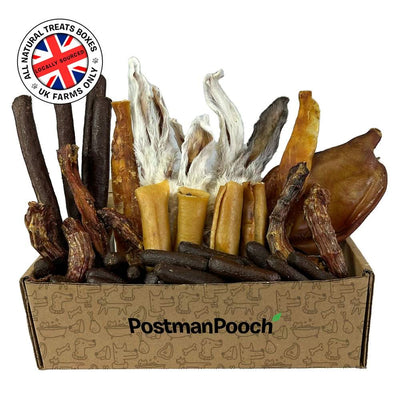
Our natural dog treats range includes a strong selection of single-ingredient and hypoallergenic options, all with full ingredient breakdowns.